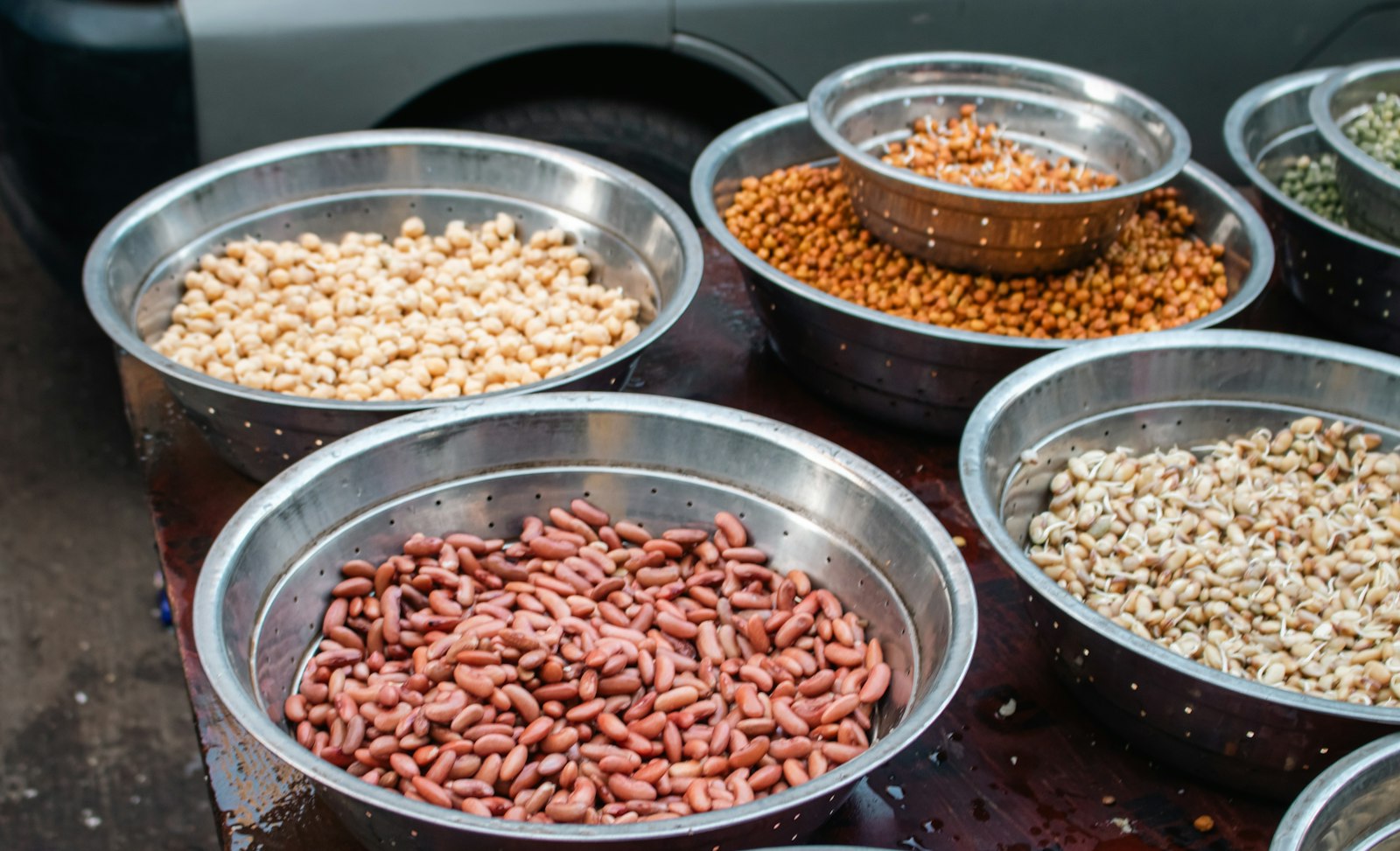
Legumes are cheap, practical and offer a good amount of protein and fiber. Many people avoid them because they turn out hard or bland. Almost always the problem is in the soaking, the water, or not seasoning in time.
Soaking: when yes and when no
Most dried legumes (chickpeas, white beans, kidney beans) need soaking for several hours, often overnight. Lentils and split peas don’t. Discard the soaking water, rinse well and cook in fresh water.
Cooking without surprises
- Start in cold water, with roughly twice as much water as legumes.
- Bring to a boil, then lower to a gentle simmer. A hard boil can break the skins.
- Season at the end or halfway through, not at the beginning. Salt can lengthen the cooking time of some legumes, depending on the variety and the water.
- Test the texture. They should be tender inside without falling apart. Cooking time varies a lot with the variety and how old they are.
Combinations that work
- Lentils with vegetables and spices such as cumin or paprika, for a complete dish.
- Chickpeas with roasted vegetables, such as pumpkin or pepper, and a lemon dressing.
- Beans with chicken or fish in a simple stew, with tomato and onion.
- Legumes with a grain, such as rice or pasta, to complete the amino acid combination without having to think about it much.
Cooked legumes keep in the fridge for about three or four days and freeze well in portions.
Safety with red kidney beans
Red kidney beans and other raw beans naturally contain a lectin, phytohaemagglutinin, which can cause nausea, severe vomiting and diarrhea if they are eaten raw or undercooked. The FDA recommends soaking them for at least 5 hours and then boiling them in fresh water for at least 30 minutes. The UK Food Standards Agency (FSA) adds that raw kidney beans should not be cooked in a slow cooker, because that temperature does not destroy the toxin and may increase its toxicity. Canned beans come already soaked and boiled, and are safe.
Dried or canned: when to use each
Canned legumes save time and are a good pantry staple: drain and rinse them, and remember they are already cooked, so you only need to heat them or add them at the end of a recipe. Dried ones usually cost less per serving, let you decide the texture and the broth, and can be cooked in big batches to freeze. Once cooked they weigh more than double their dry weight; in the macro calculator you can see their raw and cooked values.
The usual problems and how to fix them
- Still hard after a long time. It is usually a very old legume or very hard water. Try another bag or filtered water before blaming the recipe.
- Uneven cooking. Do not mix different types or sizes of legumes in the same pot: each has its own cooking time.
- Lack of flavor. Cook them with onion, garlic, bay leaf or a carrot, and remember the cooking broth is part of the dish.
- Tomato or acid at the start. If you add them too early, some legumes take longer to soften. Leave them for the end of cooking.
Frequently asked questions
How long do cooked legumes keep? Three to four days in the fridge or three to four months in the freezer, according to the USDA. Freeze them in portions with a little of their broth and thaw them in the fridge.
Can I use a pressure cooker or a slow cooker? A pressure cooker shortens the time a lot (follow your model’s instructions). In a slow cooker, do not cook raw red kidney beans: boil them first, as explained above. For other legumes, follow the instructions for your appliance.
How many servings does a bag give? It depends on the size, but since cooked legumes weigh more than double, a small bag covers several meals. Cook extra and keep the rest in portions.
From the kitchen · 7 years on the jobA can of legumes, or just mushrooms, can satisfy your appetite and usually isn’t greasy. It works for me when time is short.
Sources and review
- U.S. Department of Agriculture (USDA/FSIS): Leftovers and Food Safety
- FDA: Natural Toxins in Food (raw or undercooked red kidney beans: nausea, vomiting and diarrhea; soak at least 5 hours and boil in fresh water at least 30 minutes)
- Food Standards Agency (UK): Home food fact checker (do not slow cook raw red kidney beans; canned beans are safe)
Last reviewed: October 18, 2026. If you spot a mistake, write to us from the contact page.