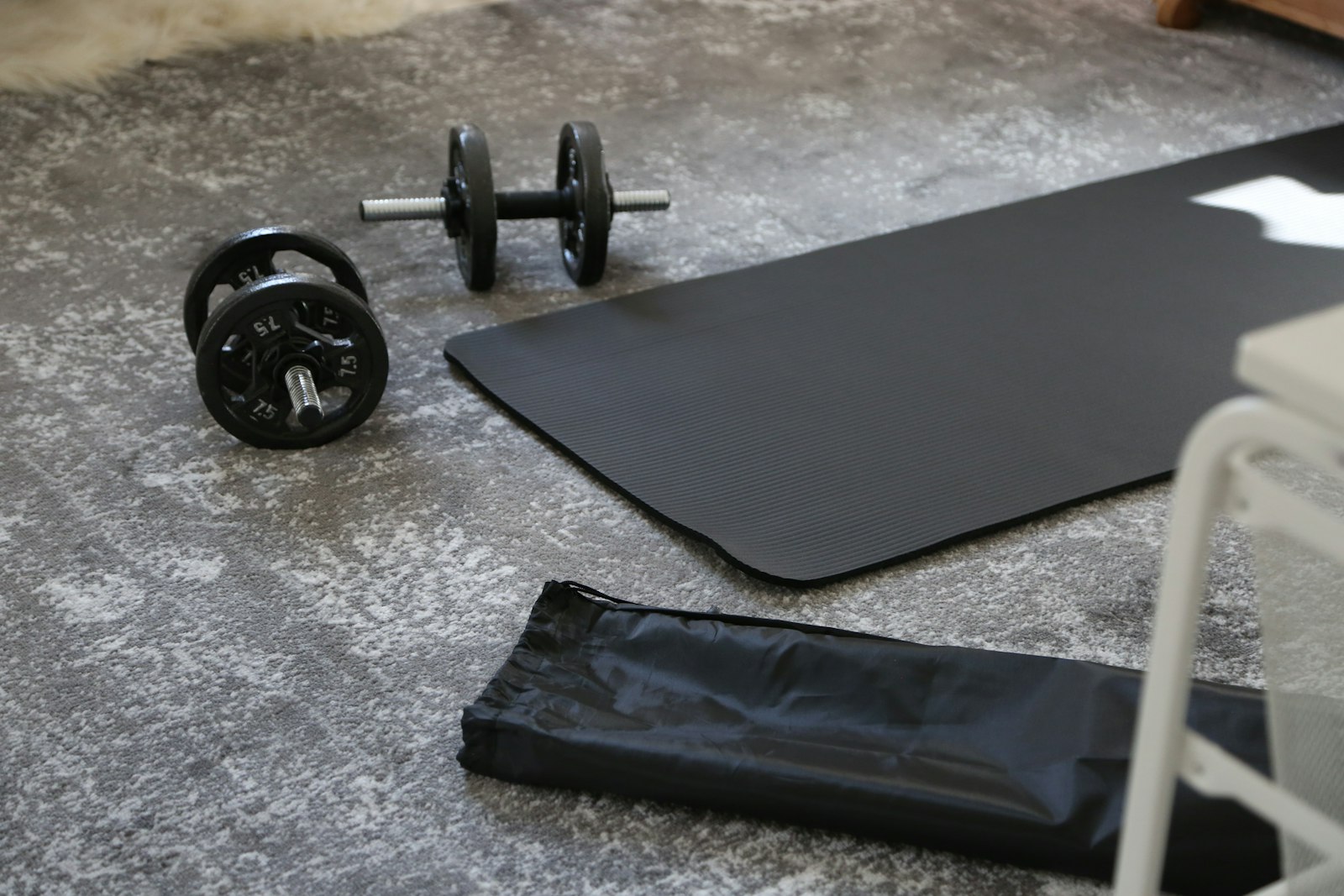
In One-Punch Man the daily routine of 100 push-ups, 100 sit-ups, 100 squats and a 10 km run is a running gag, but plenty of people try it for real. Here is what the source says, what training research suggests, and how to turn it into something you can actually keep doing.
What the story actually says
According to the Wikipedia article on Saitama, the routine is 100 push-ups, 100 sit-ups and 100 squats plus a 10 km run. He also avoids air conditioning and heating to build mental toughness, eats healthy food and trained for three years before the story begins. The article presents all of this as part of the fiction, not as health advice.
Does it work?
It depends on what you want it to do. The honest answer has three parts:
- Muscular endurance and habit: repeating many reps of light movements trains your ability to repeat effort. The American College of Sports Medicine (ACSM) recommends light-to-moderate loads performed for high repetitions for local muscular endurance.
- Muscle size: a meta-analysis of 21 studies found that muscle growth was similar with light and heavy loads, but all sets in those studies were taken to momentary failure (Schoenfeld et al., 2017). Spreading 100 easy push-ups into sets that finish far from failure is not that situation. That last point is our reading, not a finding of the study.
- Maximal strength: the same review found larger gains in one-repetition-maximum strength with heavy loads. A bodyweight exercise you can repeat 100 times is a light load for you.
The 10 km run is a different question. WHO recommends that adults do 150 to 300 minutes of moderate-intensity (or 75 to 150 minutes of vigorous-intensity) aerobic activity a week. Seven runs of 10 km add up to many hours: far beyond that range for most people.
Why copying it on day one is a bad idea
ACSM models for people starting out use two to three strength sessions a week, and they raise the load in small steps (2 to 10%) only once the current workload is easy for one or two extra repetitions. A routine that asks for the same huge volume every single day leaves no room for recovery or progression. Doing far more than you are used to is also an easy way to end up with sore joints and tendons, or to drop the habit within a few weeks (our editorial judgment, not a finding of these sources).
A safer 4-day version
Keep the four movements (push, core, squat and running), spread them over four days and build the volume slowly:
- Push-ups: 3 to 5 sets, stopping with two reps in reserve. If a full push-up is too hard, put your hands on a bench or a wall.
- Squats: 3 sets of 12 to 20 slow reps; when that is easy, move to a harder variation instead of adding endless reps.
- Core: planks, dead bugs or sit-ups, 3 sets, without pulling on your neck.
- Running: 20 to 35 minutes at a pace where you can speak in full sentences; add one minute a week.
- Progression: when you finish every set with good form in two sessions in a row, add one or two reps per set or move to a harder variation. Take a lighter week every fourth week.
If you would rather not plan it yourself, the Saitama profile has a four-day routine and the routine generator adapts it to your level and equipment.
And the diet?
In the story he just eats healthy food: there are no numbers. If you train and run this much, you need enough energy and protein to recover. Use the calorie calculator for an estimate and aim for 1.4 to 2.0 g of protein per kilogram of body weight a day if you strength-train (ISSN, 2017). Our weekly meal plan is a good starting point.
From the kitchen · 7 years on the jobI train six days a week, one hour a day, and it is a split with weights, not 100 reps of three exercises. That is the point of this article: choose what you can sustain, and let it grow slowly.
Try the 4-day plan
Choose your level, days and equipment and get sets, reps and rest in seconds. It is free, needs no sign-up and runs in your browser.
Sources and review
- Wikipedia: Saitama (One-Punch Man) (accessed October 20, 2026): the routine and the lifestyle described in the story
- Schoenfeld BJ et al.: Strength and hypertrophy adaptations between low- vs. high-load resistance training: a systematic review and meta-analysis (J Strength Cond Res 2017; 31:3508-3523): heavier loads favor maximal strength; muscle growth was similar across loading ranges with sets taken to failure
- American College of Sports Medicine: Progression models in resistance training for healthy adults (Med Sci Sports Exerc 2009; 41:687-708): beginners train 2 to 3 days a week; loads rise 2 to 10% when one or two extra repetitions are possible; light-to-moderate loads for high repetitions for muscular endurance
- Bull FC et al.: World Health Organization 2020 guidelines on physical activity and sedentary behaviour (Br J Sports Med 2020; 54:1451-1462): 150 to 300 minutes of moderate or 75 to 150 minutes of vigorous aerobic activity a week; regular muscle-strengthening
- Jäger R et al.: ISSN position stand: protein and exercise (J Int Soc Sports Nutr 2017; 14:20): 1.4 to 2.0 g of protein per kilogram a day for people who train
Last reviewed: October 20, 2026. If you spot a mistake, write to us from the contact page.