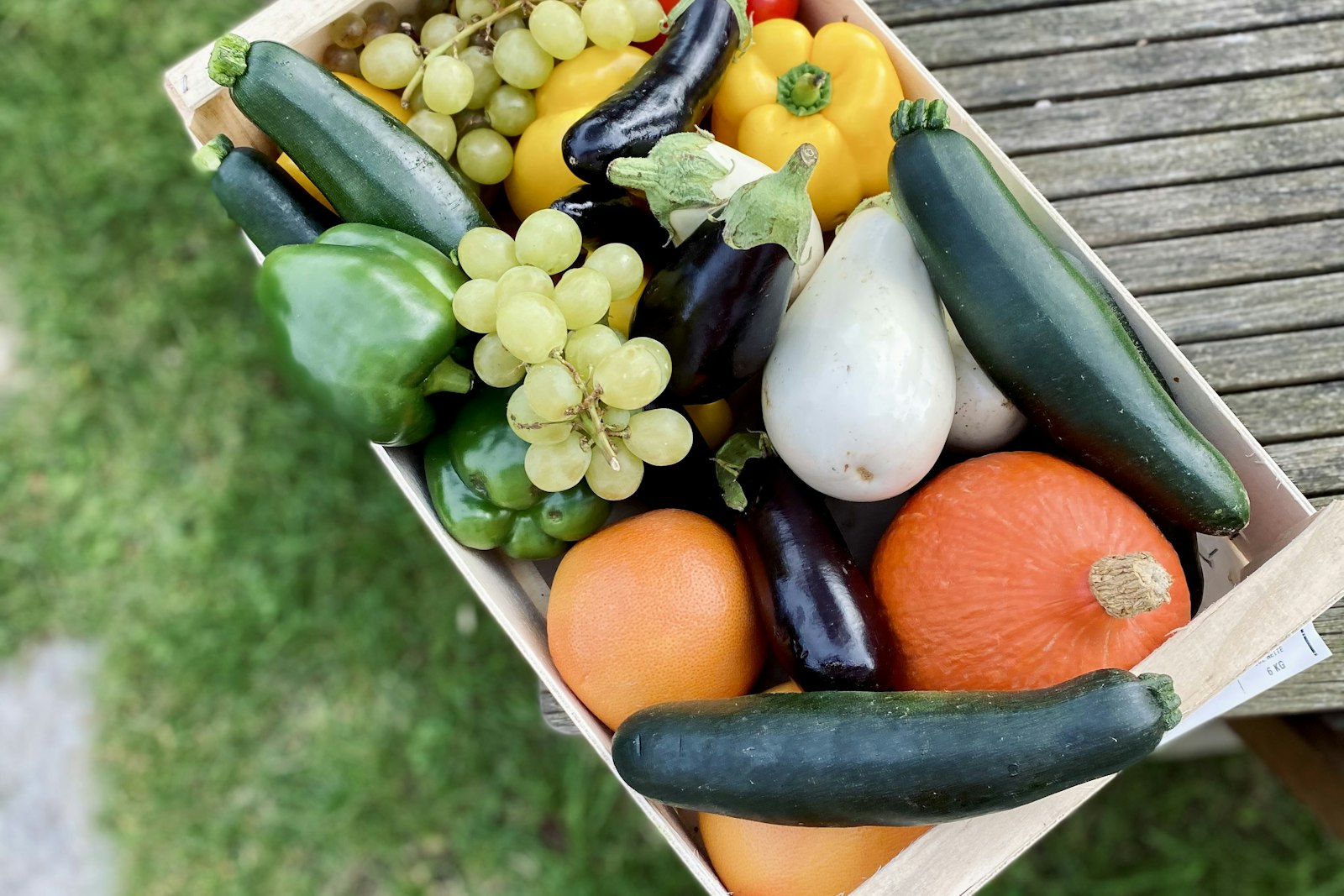
Roasted vegetables almost always turn out soft for one reason: too much moisture and too much crowding. Four adjustments change the result.
The four adjustments
- Dry them well after washing. Water on the surface makes them steam.
- Don’t crowd them. Spread them in a single layer, with space between the pieces.
- A very hot oven. Preheat it; around 200 °C (about 400 °F) works in many ovens, but adjust for yours.
- Just enough oil, and salt at the end. A drizzle is enough; salt at the last moment keeps them from releasing water.
Which vegetables work best
Zucchini, pepper, carrot, onion, cauliflower and broccoli hold up well to dry heat. Cut the pieces to similar sizes so they cook at the same time.
A base method for any vegetable
- Preheat the oven to about 200 °C (400 °F). If you can, put the tray inside so it is already hot when the vegetables go on.
- Wash and dry the vegetables. Cut them into similar-sized pieces and, if you can, with one flat side so they touch the tray.
- Toss them in a bowl with a drizzle of oil and pepper (salt at the end) until they are coated with no puddles.
- Spread them in a single layer. If they do not fit, use two trays rather than one crowded one.
- Roast uncovered and turn them halfway through.
- Take them out when the edges are golden and the center is tender when pierced with a fork. Salt them and finish with a squeeze of lemon or a splash of vinegar.
Approximate times
They change with your oven and the size of the pieces. Start checking a little early and go by color and texture.
- Zucchini in thick slices: about 20 to 25 minutes.
- Pepper strips: about 25 to 30 minutes.
- Onion wedges: about 25 to 35 minutes.
- Cauliflower and broccoli florets: about 25 to 35 minutes.
- Carrot sticks: about 30 to 40 minutes.
Tricks for crispier results
- Leave space. If the pieces touch, they steam each other.
- Use a metal tray. It browns more than a glass or ceramic dish.
- Cut with a flat side. More contact with the tray means more browning.
- Do not cover them with foil. It traps steam and softens them.
- Add the acid at the end. Lemon or vinegar before roasting moistens them.
What to serve with them
- Plain yogurt with garlic, lemon and a pinch of salt.
- Oil with paprika and a little vinegar.
- Grated or crumbled cheese right when serving.
- Nuts or toasted seeds on top.
How to reheat them without making them soft
Do it in the oven or in a hot pan, uncovered: the microwave softens them. If you have leftovers, keep them in a shallow container and eat them within 3 or 4 days, according to the USDA.
Frequently asked questions
Why do they burn outside and stay raw inside? Usually the pieces are too big or uneven, or the tray is too close to the heating element. Cut smaller, similar pieces, use the middle rack and, if needed, lower the temperature a little and roast a bit longer.
Can I use frozen vegetables? Yes, but they tend to turn out softer than fresh ones because they release water as they heat. Put them on the hot tray without thawing, in a single layer, and allow a few extra minutes.
Can I cut them ahead of time? Yes: wash, dry and cut them, then keep them covered in the fridge to roast the next day. Bake them right before eating, because freshly roasted is when they are crispiest.
How much oil should I use? Just enough to make them shine, with no puddles. Too much leaves the pieces greasy; too little and they dry out and stick to the tray.
From the kitchen · 7 years on the jobSalt and pepper are essential, and I like to always keep fresh herbs on hand.
Sources and review
- USDA/FSIS: Leftovers and Food Safety (leftovers: 3 to 4 days in the fridge)
Last reviewed: October 18, 2026. If you spot a mistake, write to us from the contact page.