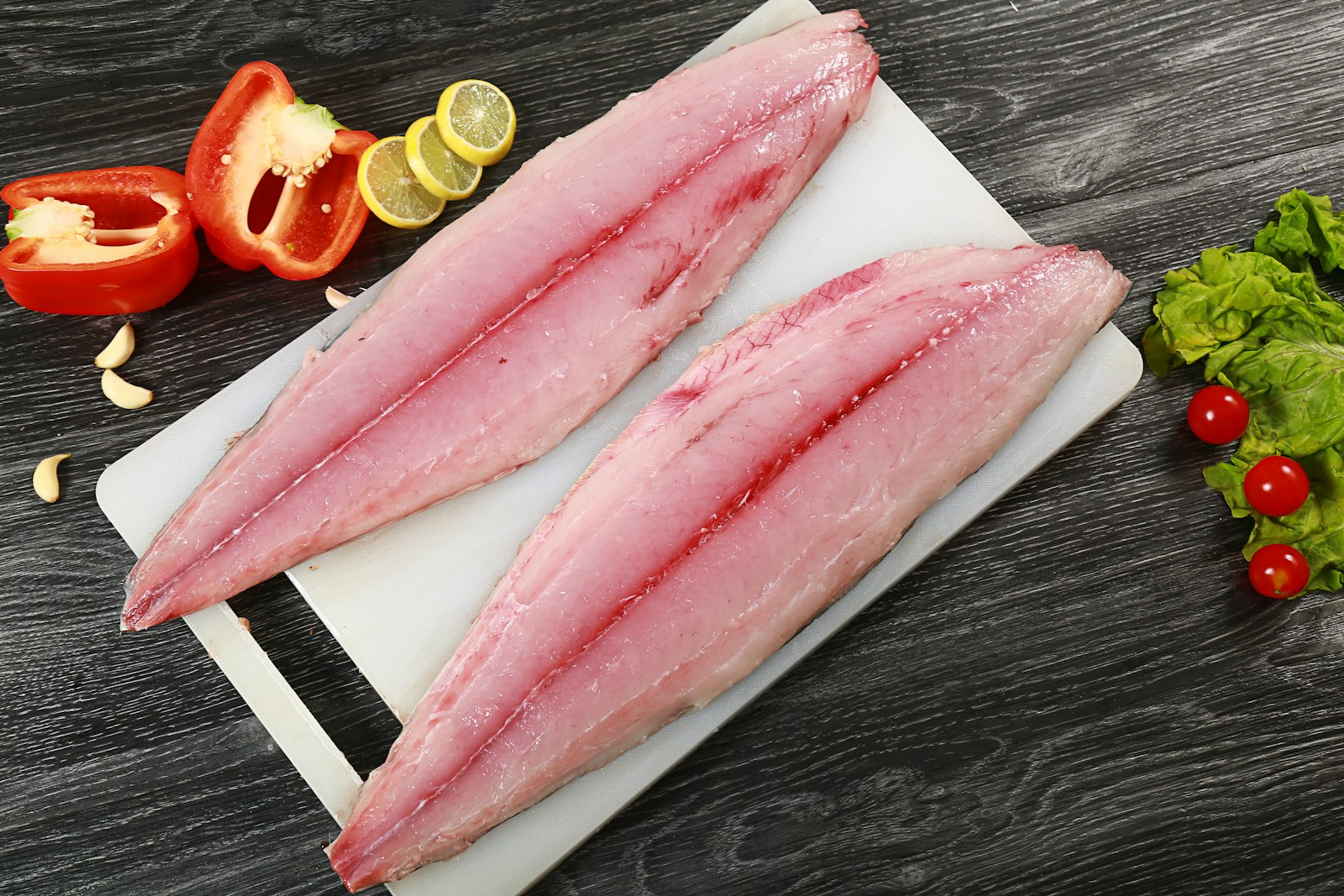
Fish is one of the most expensive things in the shopping basket and, if it’s cut carelessly, one of the things that gets wasted most. This is the criterion I work by to make the most of it.
The criterion: the most meat, without damaging it
The idea is always the same: separate as much meat as possible from the skin, without damaging the meat or the product. Every scrap left stuck to the skin is food you paid for that never reaches the plate.
Scales and bones: with tweezers
For the scales and bones of the fish I use tweezers, so as not to damage the meat when removing them.
Why it matters: trim loss and cost
What is lost when cleaning and cutting is called trim loss (merma in Spanish kitchens), and it makes every serving more expensive even if you can’t see it on the receipt. I changed the way and the technique I use to cut fish because I was wasting a lot. If you want to know what each serving really costs you, see the article on costing at home.
How to tell whether you’re doing better
- Weigh the piece before cleaning it.
- Weigh the clean meat when you finish.
- Calculate the trim loss: (starting weight − clean weight) ÷ starting weight.
- Write it down and compare the next time you cut fish. If it goes down, you’re on the right track.
You can enter that percentage straight into the costing calculator.
This text covers the criterion, not a step-by-step filleting guide.
From the kitchen · 7 years on the jobTweezers for the scales and the bones, and always the same goal: as much meat as possible, without damaging the product.
Sources and review
This article reflects the author’s experience and general cooking criteria; it does not cite figures from external sources.
Last reviewed: October 13, 2026. If you spot a mistake, write to us from the contact page.