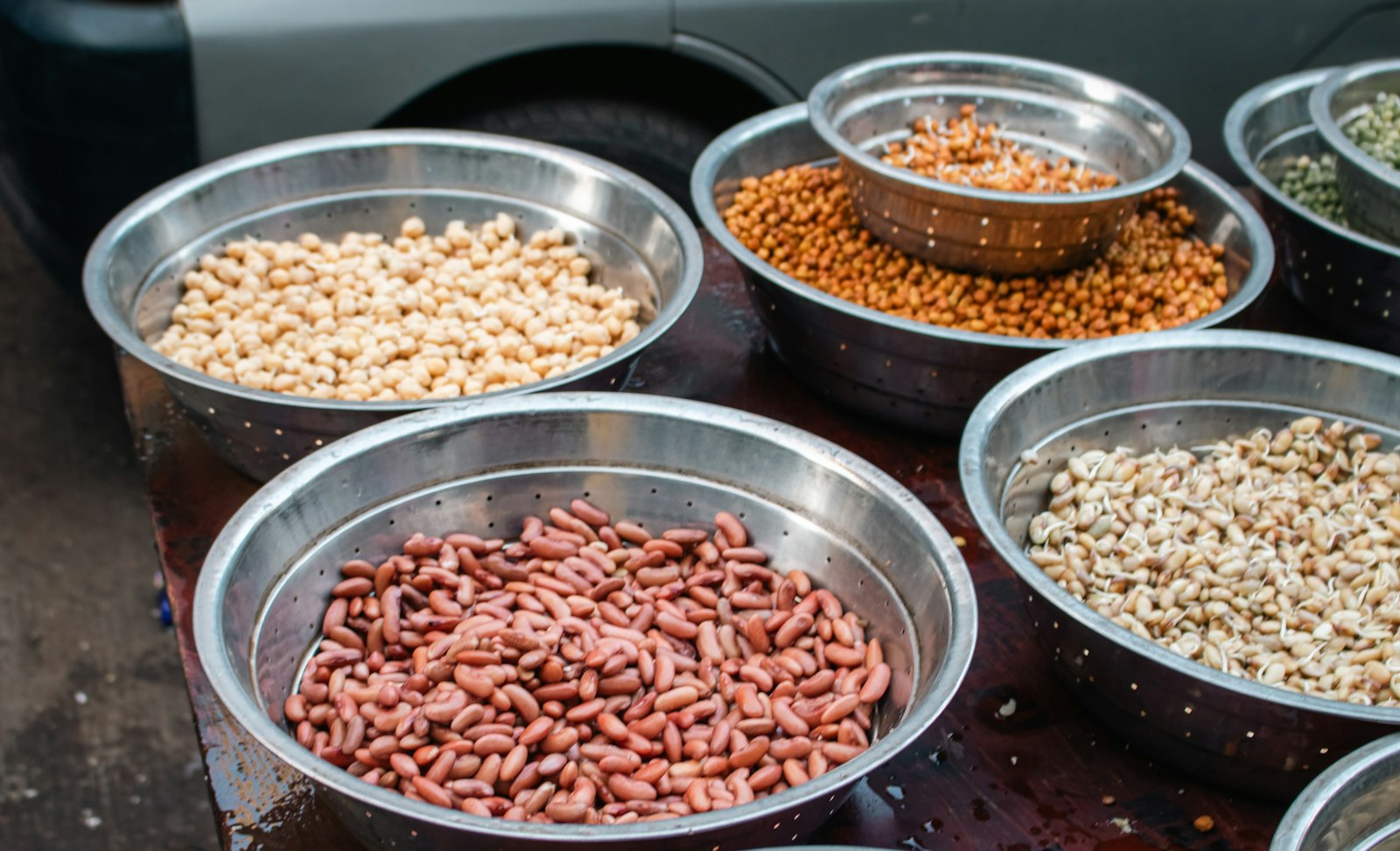
Legumes are cheap, practical and offer a good amount of protein and fiber. Many people avoid them because they turn out hard or bland. Almost always the problem is in the soaking, the water, or not seasoning in time.
Soaking: when yes and when no
Most dried legumes (chickpeas, white beans, kidney beans) need soaking for several hours, often overnight. Lentils and split peas don’t. Discard the soaking water, rinse well and cook in fresh water.
Cooking without surprises
- Start in cold water, with roughly twice as much water as legumes.
- Bring to a boil, then lower to a gentle simmer. A hard boil can break the skins.
- Season at the end or halfway through, not at the beginning. Salt can lengthen the cooking time of some legumes, depending on the variety and the water.
- Test the texture. They should be tender inside without falling apart. Cooking time varies a lot with the variety and how old they are.
Combinations that work
- Lentils with vegetables and spices such as cumin or paprika, for a complete dish.
- Chickpeas with roasted vegetables, such as pumpkin or pepper, and a lemon dressing.
- Beans with chicken or fish in a simple stew, with tomato and onion.
- Legumes with a grain, such as rice or pasta, to complete the amino acid combination without having to think about it much.
Cooked legumes keep in the fridge for about three or four days and freeze well in portions.
From the kitchen · 7 years on the jobA can of legumes, or just mushrooms, can satisfy your appetite and usually isn’t greasy. It works for me when time is short.
Sources and review
- U.S. Department of Agriculture (USDA/FSIS): Leftovers and Food Safety
Last reviewed: October 13, 2026. If you spot a mistake, write to us from the contact page.