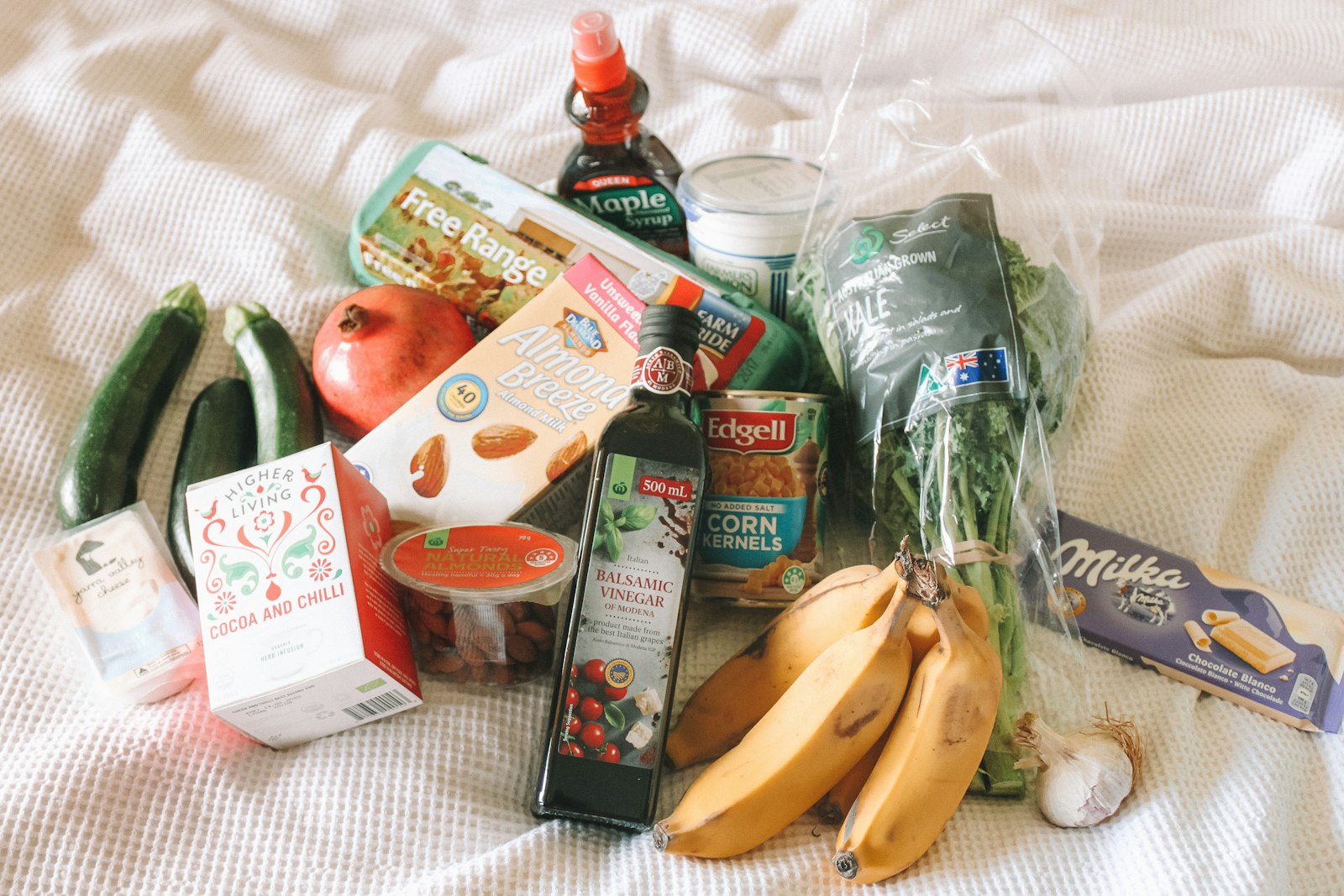
Cooking at home on a budget doesn’t depend on finding cheap recipes, but on always having a handful of basic ingredients on hand. With them you can improvise complete meals without going to the supermarket every day.
Pantry staples
- Brown or white rice, and pasta.
- Dried legumes: lentils, chickpeas and beans.
- Canned crushed tomatoes and tuna or sardines.
- Olive oil, vinegar, salt, pepper and paprika.
- Oats, if you have them for breakfast.
Fresh protein
- Eggs.
- Chicken, thighs or breast, whichever is cheaper.
- Frozen fish, which keeps well and is usually cheaper than fresh.
- Plain yogurt or fresh cheese, for sauces and sides.
Seasonal vegetables and fruit
Seasonal vegetables are almost always cheaper and tastier. A good starting point: onion, garlic, carrot, pepper, zucchini and a leafy green. Frozen vegetables are also a practical, waste-free option.
How to use it
With this base you can put together two or three recipes each week: a legume with vegetables, a chicken or egg dish with rice, and a frozen-fish stew. If something isn’t on the list, buy only what that recipe needs.
A well-stocked basic pantry prevents both impulse spending and wasted food.
How much to buy per person
A list is of little use if you don’t know how much of each thing to buy. The most widely used reference in Spain is the SENC portion table (2004), published by the Spanish Ministry of Health, which always measures raw, net weight:
| Group | Weight per serving (raw, net) | Reference frequency |
|---|---|---|
| Rice and pasta | 60–80 g | Cereals and potatoes group: 4–6 servings a day |
| Legumes | 60–80 g | 2–4 a week |
| Fish | 125–150 g | 3–4 a week |
| Lean meat and poultry | 100–125 g | 3–4 a week, alternating with eggs |
| Vegetables | 150–200 g | 2 or more a day |
| Fruit | 120–200 g | 3 or more a day |
| Potatoes | 150–200 g | Within the cereals group |
These are reference weights, not individual guidance: adjust them to your appetite and activity. To multiply them by people and meals, use the shopping calculator. The WHO, for its part, recommends at least 400 g of fruit and vegetables a day from age 10.
How to know what you really spend
Divide spending by servings. With made-up prices, only to show the formula: if a kilo of lentils costs 2 and one serving is 70 g, each serving costs 0.14 (2 ÷ 1000 × 70). Do the same for each ingredient in the dish and add them up. For whole recipes, including trim loss, follow the method in how much each serving really costs.
Five habits that lower spending
- Compare by price per kilo, not per package: the biggest pack isn’t always the cheapest.
- Shop with a plan and a list. Start with the weekly plan.
- Freeze portions. According to the USDA, leftovers last 3–4 days in the fridge or 3–4 months frozen.
- Lean on a cheap, versatile base: legumes, rice and seasonal or frozen vegetables.
- Throw away less. That’s where the most money slips away.
The invisible cost: food waste
According to the UN’s 2024 report, about 1.05 billion tonnes of food waste were generated worldwide in 2022, almost one fifth of the food available to consumers, and 60% of it happened in households. Buying only what you’re going to cook is the most direct way to save.
From the kitchen · 7 years on the jobSalt and pepper are essential, and I like to always have fresh herbs. To eat well without processed products, I use apps to weigh what I eat.
Sources and review
- Spanish Ministry of Health (SENC portion table, 2004): Portion weights by food group
- UN Environment Programme: Food Waste Index Report 2024
- World Health Organization: Healthy diet
- U.S. Department of Agriculture (USDA/FSIS): Leftovers and Food Safety
Last reviewed: October 13, 2026. Weights and frequencies come from a 2004 reference table; they are indicative, not individual guidance. If you spot a mistake, write to us from the contact page.